
San Antonio summers aren't for the faint of heart. When your air conditioner finally gives up, that brutal heat quickly turns your home into an oven, and the urgent need for a new unit can push you into a decision you might regret.
Most homeowners focus on the brand or the immediate sticker price, believing that's the whole story. But here’s the cold, hard truth: a shoddy AC installation, even for the best system, will drain your wallet with sky-high bills and endless repairs.
You’re not just buying a metal box; you're investing in years of cool comfort, energy savings, and peace of mind. Protecting that investment requires more than just picking a unit – it demands a precise, professional setup.
If you want to ensure your new AC performs flawlessly and delivers real value for decades, understanding the critical steps of a proper installation is your best defense against future headaches and wasted cash.
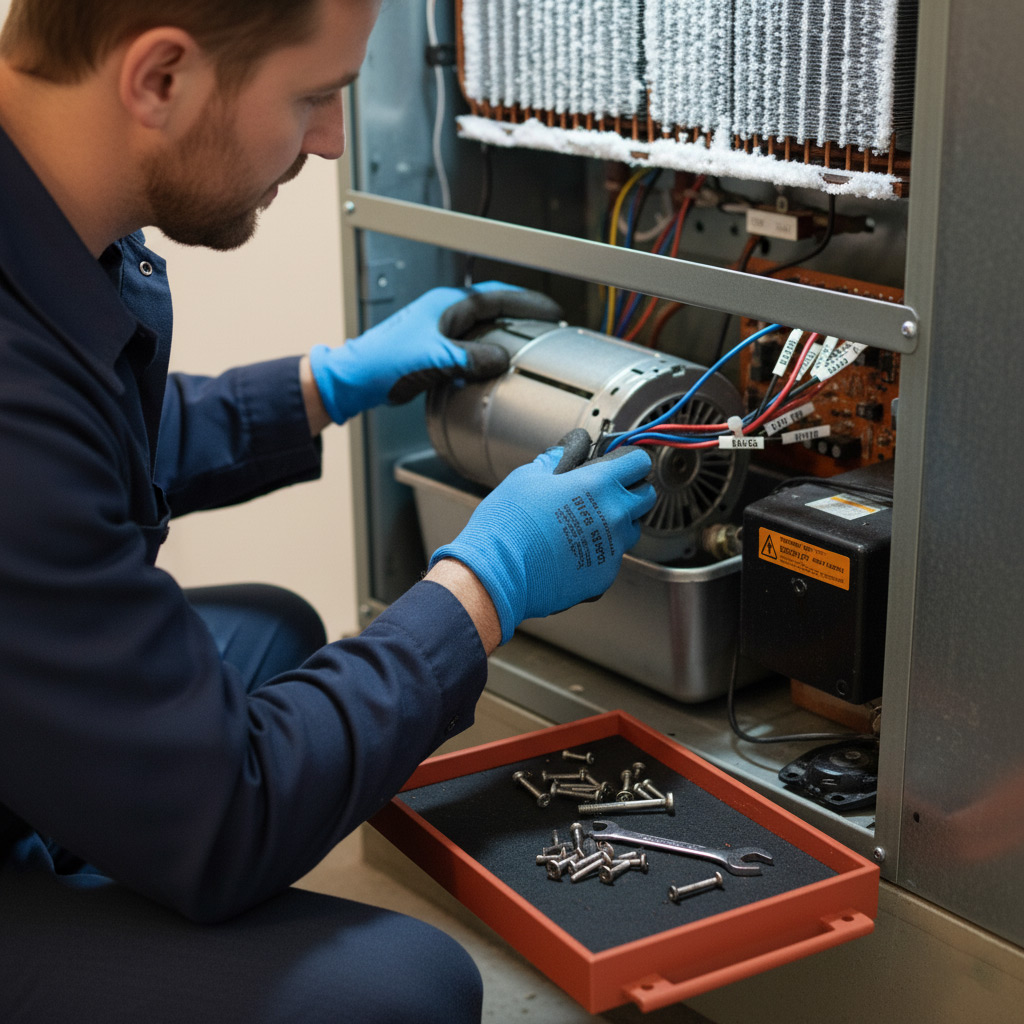
The Hidden Costs of a "Cheap" AC Installation (Beyond the Sticker Price)
That rock-bottom quote for a new AC might look appealing when you’re sweating through a San Antonio summer. However, choosing the lowest bidder often means you're signing up for a cascade of expenses that far outweigh any initial savings.
Think of it like this: a truly "cheap" installation cuts corners on vital steps, from improper ductwork sealing to incorrect refrigerant charge. These shortcuts don't just reduce immediate costs for the installer; they directly translate into your AC working harder, consuming more power, and spiking your monthly energy bills.
Ultimately, a system that isn't installed precisely is a system destined for trouble. You might save a few hundred dollars up front, but that "bargain" will silently chip away at your wallet, year after year, until the true cost becomes painfully clear.
The Sneaky Budget Busters You Can't Ignore
- Energy Bill Overload: An AC that’s improperly installed can lose 10-30% of its cooling capacity. This forces it to run longer, struggle more, and significantly hike up your electricity consumption. Your initial "savings" evaporate with every utility statement.
- Constant Repair Bills: Expect frequent breakdowns and service calls. Loose connections, leaky ducts, or incorrect wiring put immense, unnatural strain on your new system. This often leads to premature component failure and frustrating, expensive repairs.
- Shortened System Lifespan: Your expensive new unit, designed to comfortably last 10-15 years, might give up the ghost in half that time. A bad installation accelerates wear and tear, forcing you into another costly replacement much sooner than planned.
- Voided Warranties: Many reputable manufacturers require professional, certified installation for their product warranties to remain valid. A non-compliant job could leave you with a completely unprotected system, turning any future major repair into your sole financial burden.
Beyond BTUs: Why Proper AC Sizing and System Matching are Non-Negotiable
Most folks think bigger is better, or they just replace their old unit with the exact same size. That’s a massive mistake. An AC unit that’s too small will run constantly, struggling to cool your home, driving up your energy bills, and wearing itself out years before it should. It's like trying to cool a banquet hall with a window unit.
On the flip side, an oversized AC system is just as bad, if not worse. It cycles on and off too frequently—called "short cycling"—which prevents it from running long enough to properly dehumidify your home. This leaves you feeling sticky and uncomfortable, even if the temperature gauge looks right. You'll waste energy, pay more upfront, and still battle high humidity, making San Antonio summers feel even muggier.
The Science of Sizing: Beyond Simple BTUs
Forget the old "square footage equals X BTUs" rule of thumb. That’s a recipe for disaster. What you actually need is a professional load calculation.
This detailed analysis considers far more than just your home's footprint:
- Home's orientation: Which way does your house face the sun?
- Window types and insulation: How much heat gain or loss occurs through them?
- Ceiling heights and construction materials: Do you have high ceilings or brick walls?
- Number of occupants and heat-generating appliances: More people and electronics mean more internal heat.
- Ductwork condition: Leaky ducts can sabotage even a perfectly sized system.
This ensures your new AC is the perfect fit for your specific home, guaranteeing optimal comfort and peak energy savings.
It's not enough to just size the outdoor unit correctly; all components must be a harmonious team. Your outdoor condenser, indoor evaporator coil, and furnace or air handler are designed to work together as a single, highly efficient system. Mix-and-match components, even if they're the "right size" individually, almost always leads to suboptimal performance.
Think of it like a finely tuned engine: all parts must be compatible for maximum power and efficiency. A mismatched system won't deliver its advertised SEER (Seasonal Energy Efficiency Ratio) rating, meaning you're essentially buying a high-performance car but only getting moped mileage. This can void warranties and leave you with less comfort and higher bills, making your "bargain" purchase anything but a good deal.
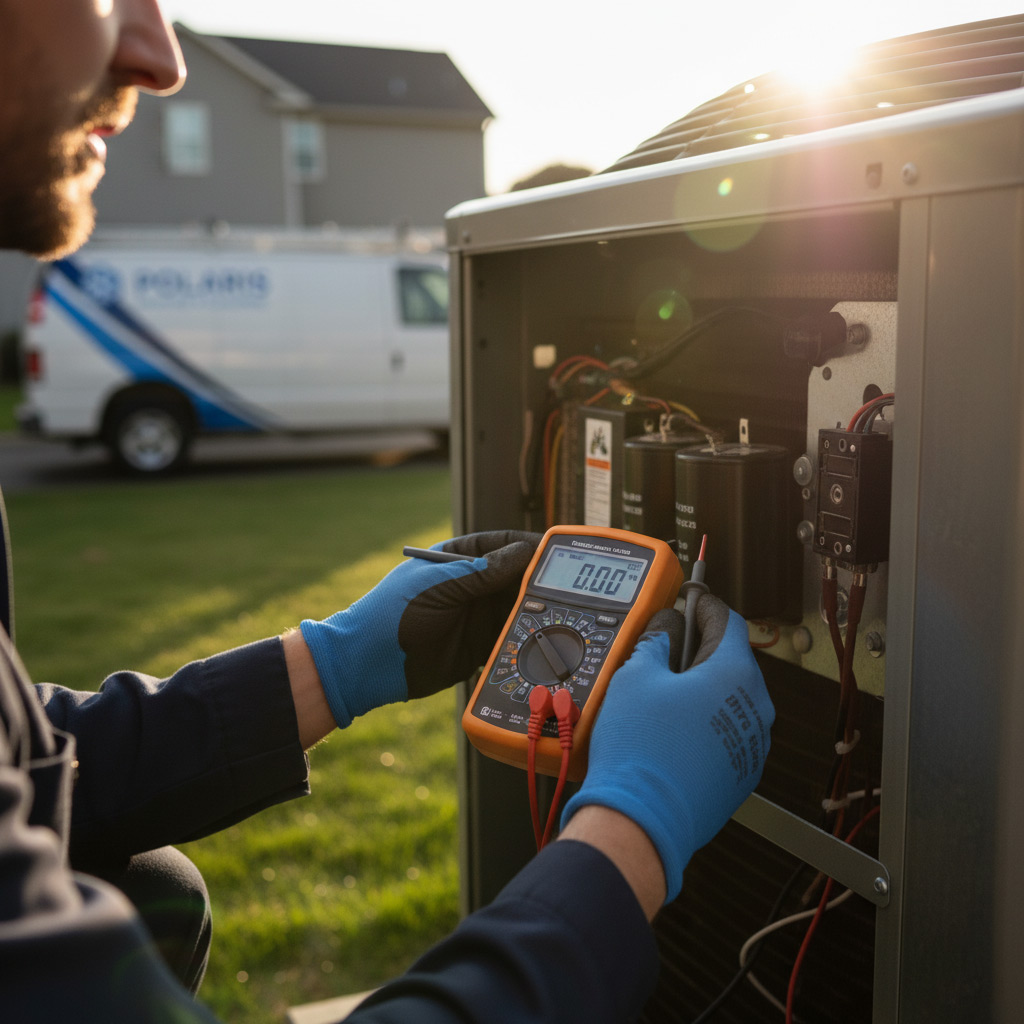
The Precision Play: What a Flawless AC Installation Actually Entails
Forget just bolting a new unit into place. A flawless AC installation is a precision operation, a detailed orchestration of technical expertise and meticulous execution. It begins with critical steps that often go unseen but determine your system's long-term performance and efficiency, saving you real cash in the long run.
The first non-negotiable elements involve the refrigerant charge and line set. A true professional performs a deep vacuum on the lines to eliminate all moisture and contaminants, then charges the system precisely to the manufacturer's exact specifications. Too much or too little refrigerant cripples your unit's efficiency, skyrockets your bills, and shortens its life dramatically. This isn't guesswork; it's calibrated science that separates the pros from the amateurs.
Beyond the core unit, its integration with your home’s existing infrastructure is paramount. This means your installer must meticulously:
- Seal and size your ductwork to perfectly match the new system, stopping precious cool air from leaking into your attic or walls.
- Ensure **impeccable electrical connections** for undeniable safety and consistent power delivery, avoiding fire hazards or circuit trips.
- Set up the condensate drain with the correct slope and flow to prevent costly water damage, mold growth, and nasty smells.
- Conduct comprehensive system testing and calibration, including checking static pressure, balancing airflow to each room, verifying correct temperature splits, and calibrating your thermostat.
Safeguarding Your Investment: Post-Installation Checks and Warranty Essentials
So, the new unit is humming, and the San Antonio heat is finally tamed. Don't pop the champagne just yet. The final, critical step to bulletproof your investment happens *after* the crew leaves. You need to verify the job was done right, because a faulty installation can instantly turn your shiny new AC into a money pit, regardless of the brand's reputation.
Your installer should walk you through the system, but here's your checklist to make sure they didn't miss a beat. Check that the thermostat is functioning correctly and set properly for your home. Walk around and confirm strong, consistent airflow from every register; weak flow often points to duct issues or improper unit setup. Listen for any unusual noises – rattles, clangs, or persistent hums that weren't there before are red flags you need to address immediately. Don’t forget to check the outdoor unit for proper leveling and clear surrounding areas. These aren't minor details; they are fundamental to your system's longevity and performance.
Your Warranty: Your Financial Lifeline
That warranty you got with your new AC? It's a powerful shield against future repair costs, but it's only as good as its validity. Many manufacturers explicitly state that improper installation can completely void your warranty. This is why paying for a professional, meticulous installation isn't just about comfort; it's about protecting yourself from thousands in unexpected repair bills down the line. Make sure your installer provides all necessary documentation and helps you register your unit with the manufacturer; this simple step often extends coverage and ensures you're protected.
- Register Your Warranty: Don't procrastinate. Many extended warranties require registration within a specific timeframe after installation.
- Understand Coverage: Know what parts and labor are covered, and for how long. Ask about exclusions.
- Keep Records: Store your installation paperwork, warranty certificates, and maintenance receipts in a safe place. This documentation is your proof of proper care.
San Antonio Specifics: Navigating Local Climate, Codes, and Energy Incentives
San Antonio’s climate isn't just hot; it’s a relentless furnace combined with muggy humidity. This isn't a minor detail; it’s a critical factor that must influence your AC installation. A system sized incorrectly or poorly sealed won't just struggle; it will actively fight against the environment, driving up your energy bills and shortening its lifespan. A professional setup considers everything from your home’s specific sun exposure to the thermal envelope, ensuring your unit is built to conquer Texas heat, not just exist within it.
Forget trying to cut corners with local regulations. The City of San Antonio has specific building codes and permitting requirements for a reason: your safety and the longevity of your investment. A fly-by-night operation might skip these, leaving you vulnerable to fines, voided warranties, and even dangerous installations. A reputable HVAC partner handles all the necessary permits and inspections, guaranteeing your new system meets every local standard. This isn't red tape; it's a layer of protection for you and your property.
Want to save some serious cash on your new AC? You’re in luck. San Antonio homeowners often qualify for fantastic incentives. CPS Energy regularly offers rebates for installing high-performance, ENERGY STAR certified units. We're talking real money back in your pocket, directly reducing your upfront costs. Beyond local programs, don't overlook potential federal tax credits available for energy-saving home upgrades. An expert installer doesn't just put in your AC; they guide you through these programs, ensuring you capitalize on every available saving opportunity.
Case Study: How a Proper Installation Transformed a Hot Alamo Heights Home
Take the Johnsons from Alamo Heights. Their beautiful, historic home felt more like a sauna than a sanctuary, even with their old AC unit running non-stop. They were convinced their house was simply "too old" or "too big" to ever be truly cool. Their energy bills were outrageous, and they constantly battled hot spots and humidity. They'd invested in repairs before, but the comfort just never lasted.
When we stepped in, we didn't just quote them a new unit. Our team performed a rigorous load calculation, uncovering two critical issues: their existing system was severely undersized, and the ductwork was leaky and inefficient. We designed a custom solution, selecting a perfectly matched, high-efficiency system and meticulously upgrading their ductwork. Every joint was sealed, every vent calibrated for optimal airflow.
The results? Immediate and undeniable. The Johnsons finally experienced true comfort throughout their entire home. Their monthly energy bills plummeted by over 25% within the first summer – real money back in their pocket. More than just cooler air, they gained peace of mind knowing their investment was performing exactly as it should, without constant worry or unexpected costs. This wasn't luck; it was the direct outcome of a precise, professional AC installation that addressed their home's unique needs from the ground up.
Final Words: Your Blueprint for Lasting Comfort and Value.
Here's the bottom line: your new AC unit is more than just a piece of equipment. It’s a critical investment in your home’s comfort, your family's well-being, and your monthly budget. Cutting corners now leads to endless frustration and unexpected costs down the road.
The difference between a quick fix and a proper Air Conditioning Installation isn't just a matter of price – it’s the difference between years of quiet, efficient cooling and a continuous battle against heat and high bills. You deserve the peace of mind that comes from knowing it’s done right.
By understanding these crucial installation steps, you’re not just buying an AC; you’re buying a blueprint for genuine, long-term value. Make the choice that guarantees superior performance, maximum lifespan, and true comfort, season after San Antonio season.
People Also Ask
Why shouldn't I choose the cheapest AC installer in San Antonio?
Choosing the cheapest option often leads to hidden long-term costs like frequent repairs, higher energy bills due to inefficiencies, and premature system failure. A quality installation ensures your system performs optimally, providing lasting comfort and protecting your initial investment from unexpected expenses.How does proper AC sizing impact my energy bills in San Antonio?
Proper AC sizing is crucial in San Antonio's climate because an oversized unit will short-cycle, wasting energy, while an undersized unit will run constantly without cooling effectively. Correct sizing ensures your system operates at peak efficiency, preventing energy waste and significantly lowering your monthly utility costs.What should I look for to ensure a quality AC installation in San Antonio?
A quality installation includes meticulous ductwork inspection, proper refrigerant charging, secure electrical connections, and precise thermostat calibration. Verify the contractor is licensed, insured, and provides detailed pre-installation assessments and post-installation tests to guarantee system performance and safety.Are there specific AC installation requirements or incentives unique to San Antonio?
Yes, San Antonio adheres to specific local building codes and permits for HVAC installations, ensuring safety and compliance. Additionally, CPS Energy often offers rebates and incentives for installing high-efficiency AC systems, which can significantly reduce your upfront costs and long-term energy expenses.What post-installation checks are crucial for my new AC system in San Antonio?
After installation, ensure the technician performs a thorough system startup, verifies proper airflow, checks for refrigerant leaks, and confirms all safety controls are operational. Always register your equipment warranty and schedule annual maintenance to keep your system performing efficiently and validate any guarantees.
San Antonio HVAC offers proven expertise in heating and cooling services. The team brings years of experience addressing the unique climate needs of San Antonio. They are dedicated to ensuring reliable comfort for homes and businesses throughout the region.
Need HVAC?
We rapidly achieve measurable outcomes for clients throughout San Antonio and surrounding areas (78201, 78205, 78209, 78216, 78258), prioritizing efficient delivery and tangible results.
Instant Estimate