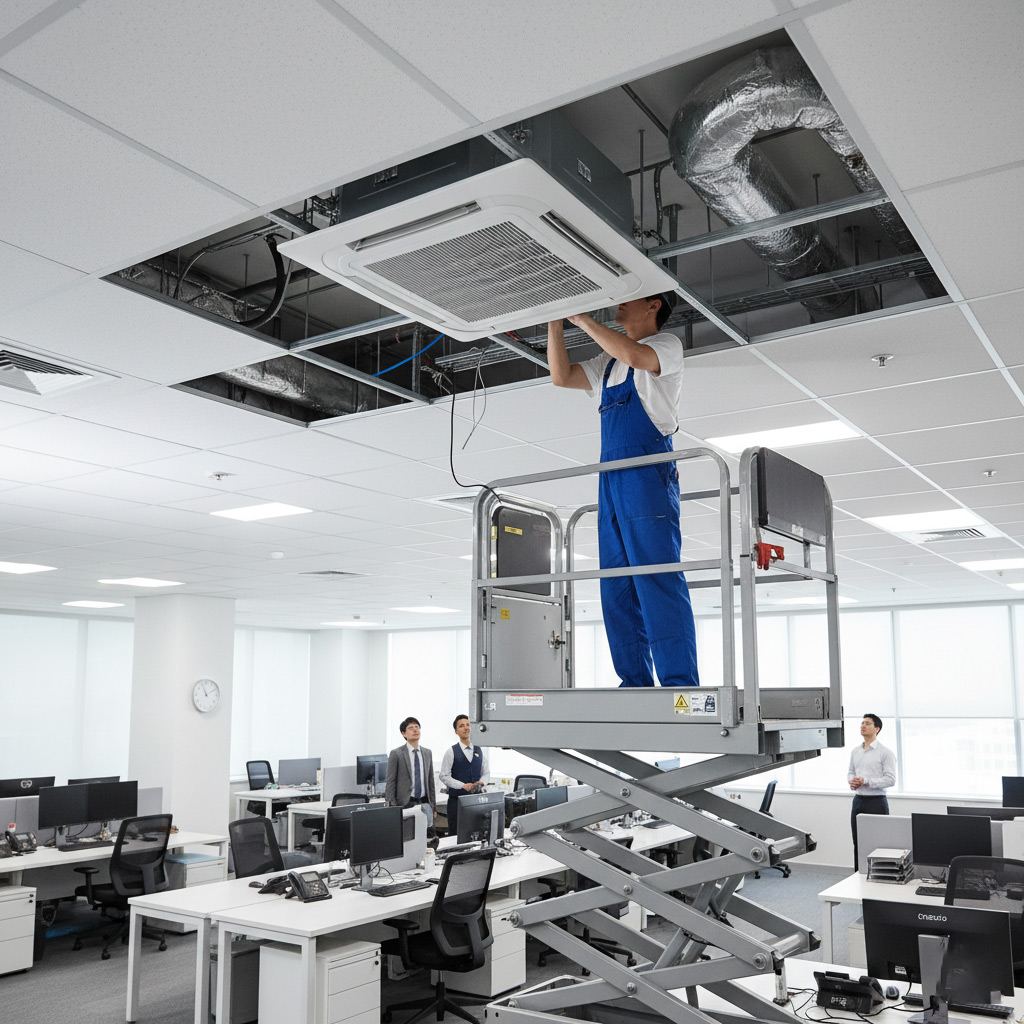
You crank up the AC, escape the brutal San Antonio heat, and settle into your "safe" home. But what if that very sanctuary is slowly poisoning you?
You can't see them. You can't always smell them. Yet, microscopic enemies are lurking in your San Antonio home's air, silently chipping away at your family's health. We're talking about more than just dust; these are pollutants, allergens, and VOCs you breathe in every single day.
That persistent cough, those unexplained headaches, or even restless nights could all be symptoms of poor indoor air quality. It's time to stop guessing and start actively protecting your home and loved ones from these unseen threats.
Let's pull back the curtain on these invisible killers and discover exactly how to breathe truly clean air right here in your San Antonio residence.
What Are These "Invisible Killers" Lurking in Your San Antonio Home's Air?
Forget the monsters under the bed; the real threats in your home are microscopic and float freely in your breathing space. We're not talking about simple dust bunnies. These are biological invaders and chemical compounds, silently circulating and actively impacting your health.
These "invisible killers" include a cocktail of pollutants like tiny mold spores, pet dander, and microscopic dust mite waste that thrive in our homes. They're so small you can't see them, yet they are constantly being inhaled. Think of them as tiny, uninvited guests setting up shop in your lungs.
Then there are the chemical culprits known as Volatile Organic Compounds (VOCs). These come from surprising sources: cleaning supplies, air fresheners, new furniture, paints, and even certain cooking fumes. They evaporate into the air, creating a truly toxic invisible cloud you and your family are breathing daily.
The Silent Threats: Unpacking Specific IAQ Culprits and Their Unexpected Origins
You might think your home is safe, a fortress against the outside world. But inside, microscopic invaders are at work. These aren't just everyday dust bunnies; we're talking about a nasty cocktail of pollutants that impact your breathing and overall well-being.
Consider Volatile Organic Compounds (VOCs). These aren't some exotic chemical from a lab. They're constantly off-gassing from your new carpet, fresh paint, furniture, and even common cleaning products. They hit your lungs with a dose of toxic fumes, contributing to headaches and respiratory irritation. Then there's mold – often unseen, it thrives in damp areas like bathrooms, kitchens, or even behind walls from a tiny unnoticed leak. Its spores travel through your air ducts, triggering allergies and asthma attacks.
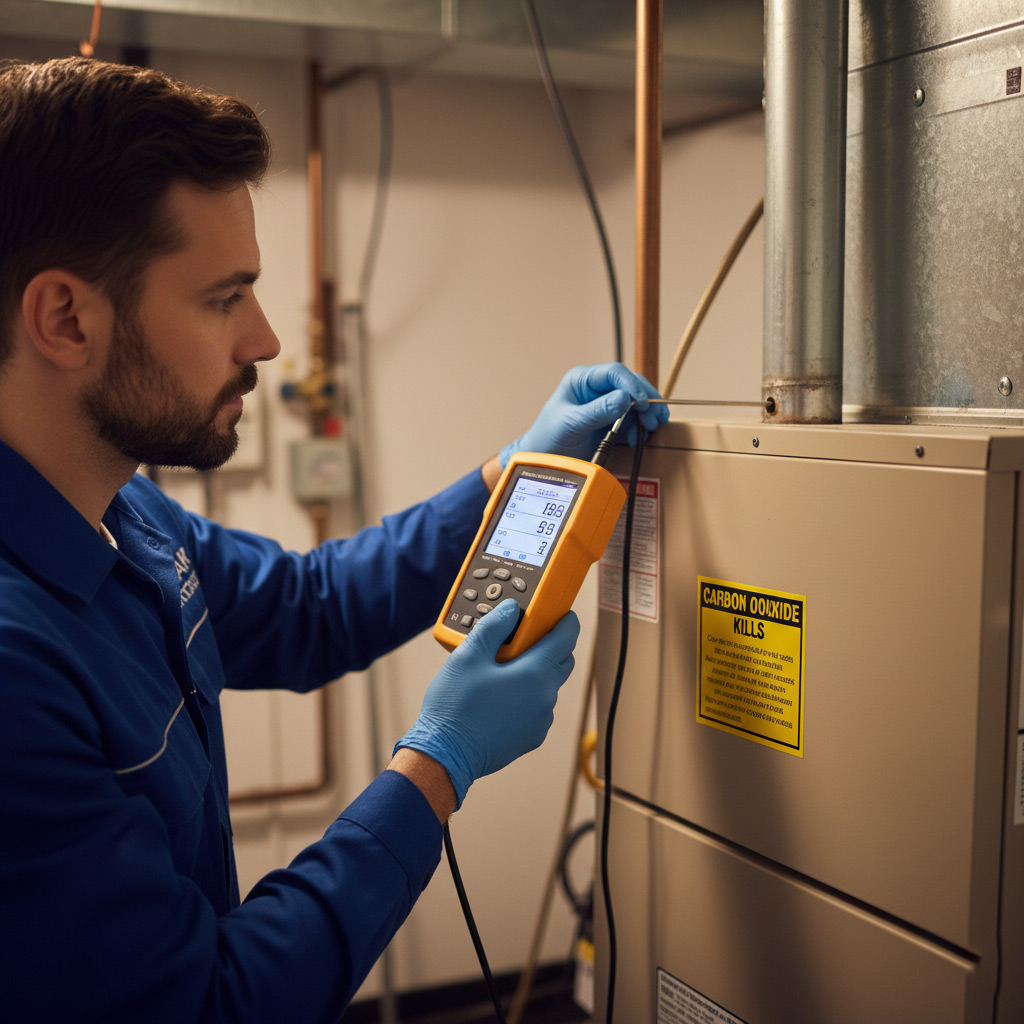
And let's not forget the usual suspects with surprising origins. Dust mites, those microscopic arachnids, feed on dead skin cells right in your mattress, pillows, and upholstery. Their waste products are potent allergens. Pet dander, from even the cleanest pets, becomes airborne and circulates constantly. Beyond allergens, dangerous gases like Carbon Monoxide (CO) can quietly seep into your air from faulty furnaces or gas appliances, often without a smell or visible sign, making it a truly deadly "invisible killer."

Beyond Annoyances: The Serious Health Impacts of Compromised Indoor Air
You might dismiss a stuffy nose or morning cough as "just allergies." However, prolonged exposure to poor indoor air quality, rife with mold spores, volatile organic compounds (VOCs), and fine particulate matter, can lead to far more insidious health problems than mere inconvenience.
Think about persistent respiratory infections, chronic bronchitis, or even exacerbated asthma that makes every breath a struggle for you or your kids in San Antonio.
The danger extends far beyond your lungs. Scientific studies indicate a clear link between compromised indoor air and cardiovascular issues, including an increased risk of heart attacks and strokes due to systemic inflammation caused by airborne pollutants.
Even your brain isn't safe. Headaches, dizziness, fatigue, and difficulty concentrating are common complaints, often stemming from exposure to things like carbon monoxide or high levels of VOCs from household products.
For particularly vulnerable groups – infants, young children, the elderly, or individuals with existing respiratory or immune conditions – these "invisible killers" can be especially devastating, causing irreversible damage over extended periods.
It's not merely about feeling a little unwell; it's about actively protecting your family’s long-term health from threats you can't see, but that are relentlessly impacting their well-being every moment they spend inside your San Antonio home.
Is Your San Antonio Home at Risk? Key Indicators and How to Identify Poor IAQ
Think your home is fine just because you don't see anything wrong? Many San Antonio residents mistakenly believe their air is clean until health issues creep in. If you or your family members are experiencing unexplained symptoms like persistent allergies, frequent headaches, dizziness, or a nagging cough, your indoor air quality might be the silent culprit.
Pay close attention to how you feel after spending time outside your home versus inside. Do symptoms lessen when you leave for work or go on vacation? This is a huge red flag that your home environment might be the source of your discomfort. Other indicators include chronic fatigue, itchy eyes, a runny nose, or even skin irritations that don't seem to clear up.
Beyond personal discomfort, your home itself might be sending signals. Look for visible mold growth, especially in bathrooms, kitchens, or laundry areas – common in our humid San Antonio climate. Are your windows often showing condensation, or do you notice an unusual, persistent musty smell that won't go away, even after cleaning?
Red Flags Your San Antonio Home May Be Trapping "Bad Air":
-
Respiratory Issues: Persistent coughing, sneezing, shortness of breath, or worsening asthma symptoms.
-
Allergy-Like Symptoms: Itchy eyes, runny nose, congestion, or skin rashes that don't respond to typical treatments.
-
Unexplained Health Concerns: Frequent headaches, dizziness, fatigue, nausea, or difficulty concentrating.
-
Visible Mold Growth: Any black, green, or white spots on walls, ceilings, around vents, or in damp areas.
-
Persistent Odors: Stale, musty, damp, or chemical smells that linger despite your best cleaning efforts.
-
Excessive Dust: A noticeable and rapid buildup of dust shortly after cleaning, indicating poor filtration or air circulation.
-
Condensation: Frequent moisture on windows, cold pipes, or walls, suggesting abnormally high indoor humidity levels.
These aren't just minor inconveniences; they're your home's way of telling you something is critically off with its breathing. Ignoring these signs means letting those invisible killers continue their work, potentially escalating minor annoyances into serious health challenges for you and your family.
Breathing Easy Again: Proven Solutions for Superior Indoor Air Quality in the Alamo City
Okay, so you've uncovered the invisible enemies. Now, let's talk about taking back control and turning your home into a fortress against these unseen threats.
The first line of defense often begins with upgrading your filtration. Forget those basic filters; we're talking about high-efficiency MERV-rated filters designed to trap microscopic particles, allergens, and even some bacteria and viruses.
Coupled with a whole-home air purifier, these systems work directly with your existing HVAC unit to scrub the air, significantly reducing the burden of pollutants you breathe every day.
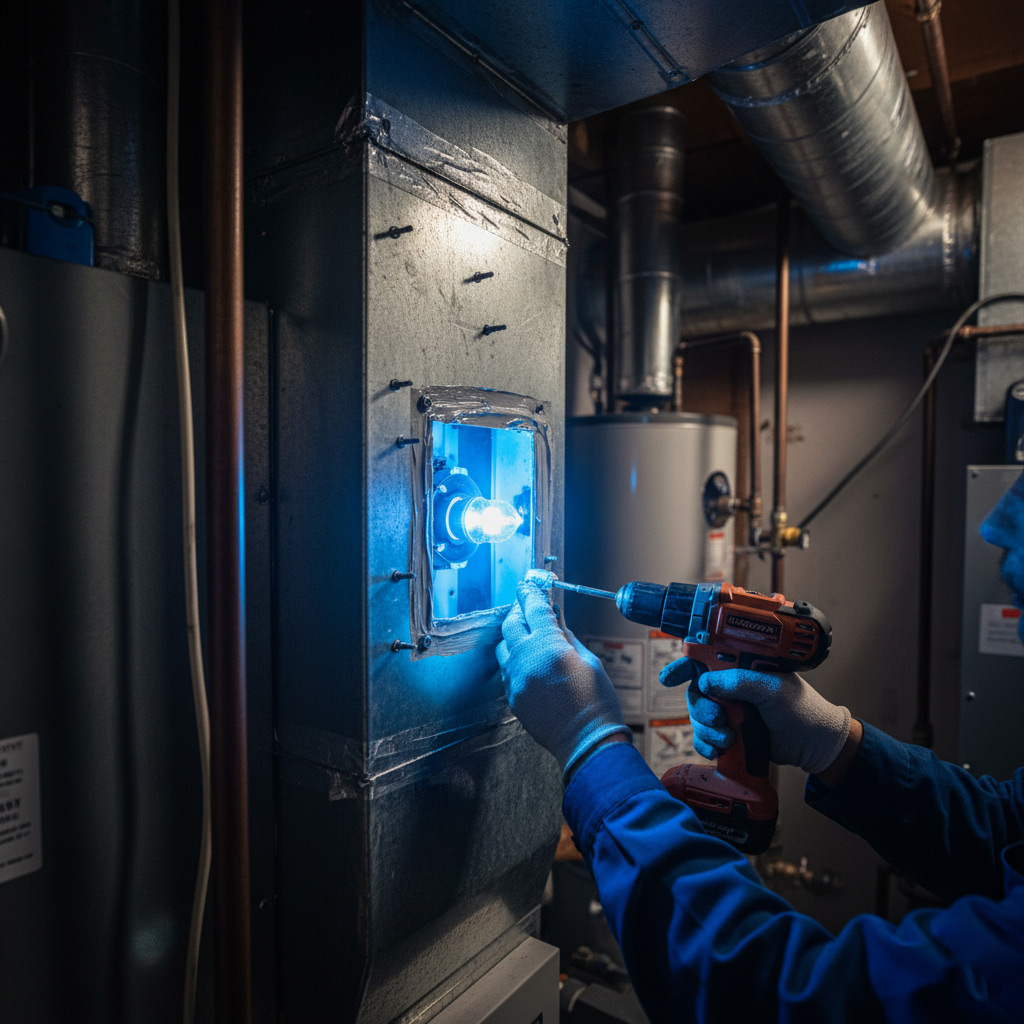
But sometimes, filtration alone isn't enough for every problem. Consider the power of UV germicidal lights installed within your ductwork.
These powerful lights eliminate airborne mold spores, bacteria, and viruses as air circulates, effectively sanitizing your home's entire airflow before it ever reaches a room.
For more specific challenges like lingering odors or high levels of volatile organic compounds (VOCs), advanced purification systems using activated carbon or photocatalytic oxidation (PCO) technology can break down these harmful gases into harmless substances.
And let's not overlook the crucial role of humidity control, especially in San Antonio's ever-changing climate. Both overly high and excessively low humidity levels create ideal conditions for mold, dust mites, and certain viruses to thrive.
Whole-home dehumidifiers or humidifiers integrate seamlessly into your HVAC system, maintaining that ideal 40-60% relative humidity range, which is critical for both your family's health and the longevity of your home.
A professional, no-nonsense IAQ assessment will pinpoint exactly which solutions will deliver the biggest impact for your unique San Antonio home, ensuring every breath you take is truly fresh and clean.
6. A Breath of Fresh Air: How We Transformed One San Antonio Home's Air Quality (Case Study)
The Rodriguez family, living near the Medical Center, faced a constant battle. Their youngest suffered from recurring asthma attacks, and Mrs. Rodriguez herself had persistent sinus issues. Despite regular cleaning, a lingering stuffiness pervaded their home, a classic sign of those invisible killers at work.
After a thorough home air quality assessment, our technicians uncovered the culprits. We found high levels of dust mites, pet dander, and even some hidden mold spores in their ductwork. Our solution involved a multi-pronged approach tailored to their specific needs. This included:
- Installation of a high-efficiency particulate air (HEPA) filtration system.
- Comprehensive duct cleaning and sanitization.
- A powerful UV germicidal light placed in their HVAC system to destroy airborne pathogens.
Within weeks, the difference was astounding. The lingering odor vanished, replaced by truly fresh air. Mrs. Rodriguez reported her sinuses were clearer, and most importantly, her son's asthma symptoms drastically reduced. They finally experienced the true comfort and peace of mind a healthy home should offer, all thanks to taking decisive action against those unseen threats.
Final Words: Reclaiming Your Home as a Healthy Sanctuary.
Your San Antonio home should be your fortress, a place where you truly unwind and feel secure. Yet, these unseen contaminants can turn that sanctuary into a subtle threat, slowly chipping away at your family's vitality. Ignoring these indoor air quality issues isn't just a minor inconvenience; it's a direct compromise of your household's health and well-being, day in and day out.
Think about the peace of mind that comes with knowing every breath your family takes inside your home is genuinely clean and pure. That feeling of waking up without a stuffy nose or experiencing fewer allergy flare-ups? It's not a luxury; it's a fundamental right. Investing in superior indoor air quality is investing directly in a healthier, happier life for everyone under your roof.
You now have the knowledge to unmask these invisible killers and understand the real impact they have. Don't let your home inadvertently become a source of illness or discomfort. Take the proactive step to safeguard your loved ones and transform your living space into the truly healthy sanctuary it was always meant to be. Explore our Indoor Air Quality Services to begin your journey to fresher air today.
People Also Ask
What are common "invisible killers" affecting indoor air quality in San Antonio homes?
These invisible killers include common allergens like pollen, pet dander, and dust mites, alongside mold spores, volatile organic compounds (VOCs) from household products, and even airborne bacteria or viruses. Other threats can involve carbon monoxide and radon, which are odorless and colorless, making them particularly dangerous.How does poor indoor air quality impact the health of San Antonio residents?
Poor indoor air quality can lead to a variety of health issues, ranging from exacerbated allergies and asthma symptoms to persistent headaches, fatigue, and respiratory infections. Long-term exposure to certain pollutants can contribute to more serious conditions, including cardiovascular problems and certain cancers.What are the specific signs that my San Antonio home might have poor indoor air quality?
Key indicators of poor IAQ often include unexplained or persistent allergy-like symptoms, a chronic stuffy nose, recurring headaches, and unusual odors that don't dissipate. You might also notice excessive dust accumulation, increased humidity, or a general feeling of stale or heavy air indoors.What solutions are available to improve indoor air quality in San Antonio homes?
Effective solutions for improving IAQ include professional air duct cleaning, installing advanced air purification systems like UV germicidal lights or HEPA filters, and maintaining proper ventilation. A comprehensive IAQ assessment can identify specific pollutants and recommend tailored strategies to ensure cleaner, healthier air.Why is indoor air quality particularly important for homes in San Antonio, TX?
San Antonio's warm and humid climate fosters the growth of mold and mildew, while high pollen counts during extended allergy seasons mean outdoor allergens easily infiltrate homes. Additionally, tightly sealed, air-conditioned homes often recirculate existing indoor pollutants, making professional IAQ management crucial for health and comfort.
San Antonio HVAC is a trusted local provider of comprehensive heating and cooling solutions, backed by substantial industry experience. Their technicians possess deep knowledge of regional climate demands, serving San Antonio residents and businesses with dedication.
Need HVAC?
We rapidly achieve measurable outcomes for clients throughout San Antonio and surrounding areas (78201, 78205, 78209, 78216, 78258), prioritizing efficient delivery and tangible results.
Instant Estimate